Recycling and Sustainability for Commercial Waste Honor Oak
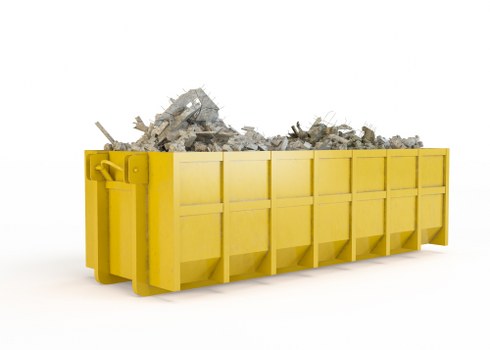 Commercial Waste Honor Oak is more than a service—it's a commitment to making Honor Oak an eco-friendly waste disposal area and a model sustainable rubbish area for neighbouring boroughs. Our approach to commercial waste in Honor Oak focuses on measurable targets, practical infrastructure and strong community links. We balance day-to-day waste collection with long-term strategies that reduce carbon, increase reuse and make recycling easier for local businesses.
We have set a clear recycling percentage target to drive progress: a 70% recycling and diversion rate for Honor Oak commercial waste streams by 2030. This target covers paper, cardboard, glass, cans, textiles, food waste and bulky goods diverted from landfill or incineration. The target is ambitious yet achievable through partnerships, better separation at source and investment in low-carbon logistics.

Where your waste goes: local transfer stations and processing
To be an effective sustainable rubbish area, the logistics matter. We route collected refuse to local transfer stations in Lewisham and Southwark and to regional materials recovery facilities that specialise in mixed commercial loads. Working closely with the boroughs' approaches to waste separation—such as segregated food waste and kerbside glass/paper streams—means commercial recycling in Honor Oak benefits from existing municipal sorting systems while avoiding costly cross-contamination.
Charity partnerships and reuse initiatives
- Furniture and appliance reuse: collaborations with local charities that refurbish office furniture and white goods.
- Textile and clothing redistribution: coordinated collections for community groups to reduce textile waste.
- Electronic reuse schemes: secure data-wiped devices donated to educational and training programmes.
 Partnering with third-sector organisations extends the life of many items that would otherwise go to landfill. Our commercial recycling in Honor Oak connects businesses to vetted charities and social enterprises, creating a circular approach to goods and packaging.
Low-carbon vans and greener collection fleets
Reducing the carbon footprint of collection is central to creating an eco-friendly waste disposal area. We deploy a fleet of low-carbon vans and increasingly use electric and hybrid vehicles for local rounds, complemented by route optimisation software to cut mileage. These steps support a lower-emissions Honor Oak commercial waste network and contribute to borough-level climate commitments.
Our vehicle strategy also includes regular maintenance, driver fuel-efficiency training and prioritising electric cargo vans where charging infrastructure permits. By combining cleaner vehicles with smarter scheduling, we can keep operational emissions down while maintaining reliability for local businesses.
Honor Oak commercial waste services are designed to dovetail with the local councils' recycling rules: paper and cardboard separated at source; glass and metals kept apart from organics; and dedicated food waste collections where feasible. These practices reduce contamination, improve recovery rates and make the job of transfer stations more efficient.
Measuring progress is essential. We produce regular environmental performance reports that show recycling rates, diversion statistics and vehicle emissions. These metrics inform a continuous improvement plan targeting incremental gains every quarter, with a view to hit our 70% recycling percentage target by 2030. Transparency and data-driven adjustments are central to creating a sustained eco-friendly waste disposal area in Honor Oak.
 Local engagement matters: we run business outreach initiatives (workshops, short briefings and resource packs) to help teams separate waste at source. While we exclude detailed guides from this page, our in-field advisors work with businesses in the ward and neighbouring areas to improve segregation of cardboard, plastics, organics and hazardous commercial residues like batteries and WEEE (Waste Electrical and Electronic Equipment).
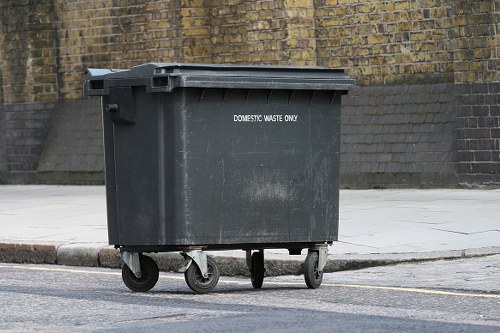 Creating a resilient, sustainable rubbish area requires collaboration across the whole supply chain. From collection crews operating low-carbon vans, to borough transfer stations accepting segregated streams, to charities that give items a second life—we build a connected system. Our model for Commercial Waste Honor Oak is pragmatic: set a clear recycling goal, use local transfer stations effectively, partner with charities and deploy greener transport to reduce the carbon footprint of every collection.
In practice, businesses in Honor Oak can help by committing to better source separation and by supporting reuse opportunities. This reduces disposal costs, lowers environmental impact and helps the community. Honor Oak commercial waste services provide the infrastructure; local businesses provide the cooperation that makes a sustainable rubbish area possible.
We also emphasise compliance and safety when handling commercial loads, ensuring hazardous items are segregated and treated at licensed facilities. This protects staff, the public and the environment while contributing to borough-level recycling performance targets for Lewisham and Southwark.
By focusing on measurable outcomes, active partnerships and low-carbon logistics, our vision for commercial waste in Honor Oak is both practical and ambitious. Together, we can transform everyday waste collection into a driver of local sustainability and make Honor Oak a recognised example of waste-wise urban business practice.
