Commercial Waste in Honor Oak
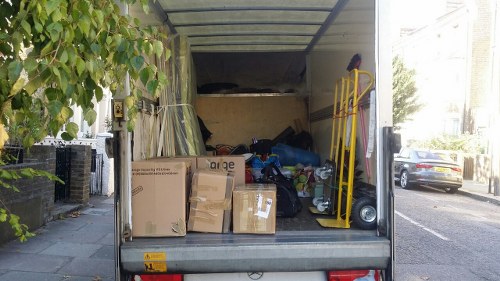
Commercial waste in Honor Oak needs a practical, organised service that can deal with everyday business rubbish, heavier office clear-outs and recurring collections without unnecessary disruption. Our waste removal work is built around straightforward loading, responsible segregation where possible and a clear approach to items that should be treated separately, such as electrical equipment, furniture and confidential paperwork. For businesses that want a tidy site and a simple collection plan, this service can cover mixed non-hazardous waste with attention to access, timing and the type of material being removed.
We handle a range of commercial waste removal tasks, from small one-off clearances to larger scheduled jobs involving multiple item types. The work can include bagged rubbish, office contents, broken fixtures, storage overflow and bulky items that are awkward to move through busy premises. Commercial clients often want a collection that is efficient but still careful, so the service is arranged to reduce handling time while keeping disposal choices appropriate to the waste stream. If you need a practical solution for your premises, our team can help you plan the removal in a way that suits the workday.
For a quote, share the kind of waste you need removed and the setting it is in. That might be a shop floor, office, warehouse corner, shared building, back room or storage area. A short description helps identify whether the job is mainly general rubbish, furniture, appliances or mixed items, and whether there are stairs, lifts or restricted access to consider. If you are ready to move forward, request a quotation today.
Business waste removal for routine collections
Business waste removal is often the most practical option for companies that produce regular refuse but do not need a full-site clear-out every time. It suits day-to-day waste, packaging, unwanted office materials and similar non-hazardous items that build up through normal trading. Where a site has recurring disposal needs, a sensible collection pattern can keep storage areas usable and reduce the chance of waste spreading into customer or staff spaces.
We can support different kinds of business waste handling depending on what the premises produce. Some clients mainly need a clear-up after stock changes, while others need help removing mixed rubbish from a workspace that has gradually filled with surplus items. Relevant options may include regular collection of bagged waste, removal of bulky furnishings, and lifting items from accessible storage areas. The key is to match the collection to the actual waste rather than treating every job the same.
What business collections usually involve
Typical business waste removal may involve:
- general rubbish and packaging
- cardboard and other mixed office material
- old desks, chairs and shelving
- bagged waste from stockrooms or back rooms
- small quantities of mixed items from a clear-out
Office waste clearance with a tidy finish

Office waste clearance is useful when workspaces need more than a simple bin emptying service. It can cover surplus furniture, redundant filing, office equipment, worn-out storage units and other items left behind after reorganising, relocating or refreshing a workplace. The emphasis is on taking away unwanted material in a way that leaves the room easier to use again, rather than simply shifting items from one corner to another. Where possible, items are separated sensibly so the load is handled in a suitable way.
Offices often contain a mix of items that need different treatment. Monitors, printers, desks, cabinets and chairs may all come out of the same area, yet they may not be best dealt with as one undifferentiated pile. A clear office clearance service helps with those decisions by focusing on what can be removed together, what should be handled as electrical equipment and what belongs in a specialist stream. That is especially useful in premises where layout, lift access or building rules affect how the job can proceed.
Useful office planning usually means deciding what stays, what goes and how the route out of the building will work. It is often enough to set aside the items for removal and note any access details, while keeping sensitive documents separate from general rubbish. If the clearance includes furniture or IT-related items, it is sensible to identify them early so the collection can be organised properly. When you are ready, a short enquiry is the quickest way to start.
Furniture disposal for bulky items and fit-outs
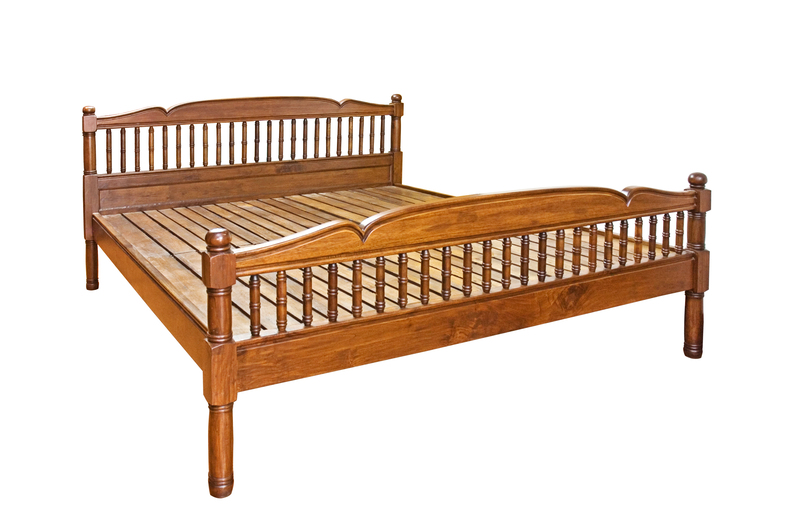
Furniture disposal is often needed when a business is replacing part of its interior, reducing stored stock, or removing pieces that are no longer suitable for use. Tables, chairs, cabinets, reception furniture, shelving and similar items can quickly take up valuable room, especially if they have been gathered over time. A clear disposal service helps move those items out without leaving them in communal areas or service corridors for longer than necessary.
For commercial customers, furniture disposal is not only about size. The shape, weight and condition of the item all matter, especially if it must be carried through narrow access points or lifted from upper floors. Some pieces can be dismantled if that is the most practical way to move them, while others are better removed intact. The service is about choosing the right method for the item rather than forcing everything into the same approach. If your clearance includes mixed furnishings, it is best to describe them in plain terms.
Furniture items we commonly remove
Examples of furniture disposal work include:
- desks and workstations
- office chairs and visitor seating
- cupboards, cabinets and shelving
- reception furniture
- lightweight shop fittings and display units
Builders waste clearance for trade and refurbishment work
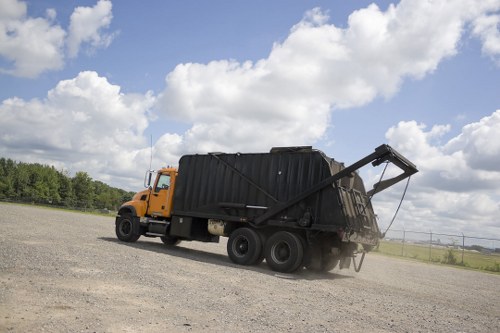
Builders waste clearance is suitable for trade-related debris that accumulates during refurbishments, repairs and internal alterations. It may include offcuts, packaging, broken fixtures, stripped-out fittings and other non-hazardous materials left after practical work has finished. A good clearance service helps keep the work area manageable, especially when debris would otherwise slow down the next stage of the project. The aim is to remove the waste efficiently while keeping the site as orderly as possible.
Different types of trade waste need different handling. Heavy rubble, timber, plasterboard, old fittings and mixed site waste are not all the same, and they should not be bundled together without thought. The collection approach should reflect what has actually been produced on site. That reduces confusion during loading and helps ensure that the waste is sorted in a reasonable way. Where the job includes bulky material, access and stacking space become important because they affect how quickly the area can be cleared.
For a smooth collection, it helps to identify whether the waste is loose, bagged, stacked or still mixed with usable materials. The clearer the description, the easier it is to judge the size of the job and assign suitable loading arrangements. Trade waste is often time-sensitive, so concise planning is usually better than overcomplicating the process. If you need waste removed from a refurbishment or maintenance job, send through the details and ask for a quotation.
House, flat and loft clearances for mixed contents
House clearance, flat clearance and loft clearance are all useful when a property has accumulated more than can be dealt with in ordinary domestic bins. These clearances may involve furniture, boxes, household clutter, stored items, small appliances and general mixed contents. Although the setting is domestic, the practical handling still matters: items have to be moved safely, kept separate where necessary and taken away without causing avoidable disruption to the property.
These services are often chosen when a room, loft or entire property needs to be emptied in a structured way. They can help with a straightforward declutter, but they are also suitable where there are many layers of contents to sort through, such as furniture mixed with stored items and loose household goods. Where lofts or upper-floor rooms are involved, access and carrying distance can affect how the work is organised, so it is useful to describe the layout clearly before collection.
Clearance types and what they suit
Domestic clearances may include:
- single-room or full-property clear-outs
- loft contents and stored household items
- flat contents from shared or upper-floor buildings
- general furniture and mixed household clutter
- bagged waste and smaller loose items
Garage and home clearance when storage space is full
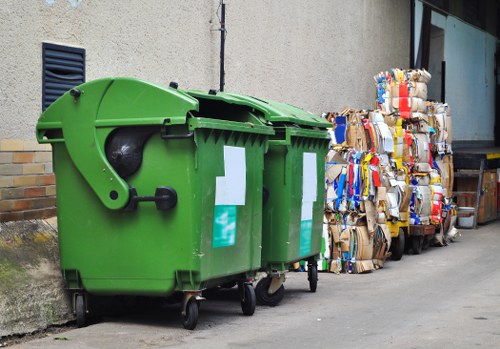
Garage clearance and home clearance are both practical when storage areas have become difficult to use because of accumulated items. Garages often hold tools, boxes, broken furniture, old fittings, sports equipment and forgotten materials that no longer have a clear place. Home clearance can cover broader domestic contents where a room, a set of rooms or a whole property needs to be made more usable. The service is focused on removing what is no longer wanted and doing so in a tidy, structured way.
Because garages and homes can contain a wide mix of objects, the work benefits from a sensible first look at what needs to go. Some items will be light and easy to move, while others may be bulky or awkwardly shaped. If the space contains a mixture of recyclable material, furniture and ordinary waste, it helps to note that in advance so the load can be organised correctly. The objective is not simply to empty a room, but to do it in a way that leaves the space ready for its next use.
When a property has accumulated items over time, it is usually best to describe the main categories rather than trying to catalogue every object individually. That gives enough information to estimate the scale of the job while keeping the process simple. If the clearance includes several spaces, such as a garage, hallway and spare room, mention them together so the collection can be planned around the full route.
Furniture disposal and appliance removal together
Some collections combine furniture disposal with appliance removal because premises often replace several items at once. A clear service can remove sofas, chairs, cabinets, fridges, freezers and other bulky contents without making the customer arrange separate visits for each category. This is particularly useful when a business or household is changing layout, closing a space or refreshing the fittings in more than one room. Combining the removal in one visit can simplify both loading and scheduling.
Appliances need care because they are not the same as ordinary waste, even when they are no longer working. Large electrical items can be awkward to move and may need extra attention during collection, especially if they are stored in tight spaces or upper-floor rooms. Furniture and appliance removal therefore works best when the items are identified clearly beforehand. If the collection includes both, it is sensible to say so in one message rather than spreading the information across several enquiries.
In many cases, the most useful preparation is simply to have the items accessible and make sure the route out of the property is clear. That reduces handling time and helps the team deal with the load more methodically. For customers wanting a single removal covering both furniture and appliances, a concise description is enough to start the quotation process.
Pricing factors, access and practical quotation details
Commercial waste removal pricing is usually shaped by the type of material, the volume involved and the practical difficulty of loading it. Heavier items, mixed waste streams and awkward access can all affect the amount of work required. A site with easy ground-floor access will normally be simpler to handle than one with stairs, lifts or limited parking nearby. It is therefore helpful to think in terms of the collection itself, not just the number of bags or pieces.
The most useful quotation details are often the simplest ones: what needs removing, roughly how much there is, where it is located and whether there are any restrictions on access. If there are delicate surfaces, narrow corridors or building rules to observe, those details help shape the collection plan. Clear information leads to a clearer estimate, and it also reduces the chance of delay on the day. Where possible, separate any items that need special treatment from the main pile.
To request a quotation, describe the waste in plain English and note whether the job is business, office, trade or mixed clear-out work. You do not need to overcomplicate it. A short message that names the location, the item types and any access constraints is usually enough to begin. If you are comparing disposal options, start with a quote request and decide from there.
About Honor Oak
Honor Oak is a district in south-east London associated with both residential streets and green spaces, with its name commonly linked to the historic oak tree that stood in the area and to the local railway station that helps define the neighbourhood’s modern identity. The district sits close to the boundary between the London Borough of Lewisham and neighbouring parts of south London, which gives it a layered character rather than the feel of a single-purpose suburb. Much of the area is made up of late nineteenth and early twentieth century housing, including terraces and small mansion blocks, while later infill development has added to the variety of building styles. Honor Oak Park station provides rail connections that have long shaped local movement, and the district is also known for its proximity to green corridors such as One Tree Hill and the wider network of open spaces stretching towards Peckham Rye and Forest Hill. The hill itself is an important local landmark, offering elevated views across London and reinforcing the area’s topography, which is more pronounced than many surrounding neighbourhoods. Streets around the station and along the main routes contain everyday shops, cafes and community facilities, giving the district a practical urban centre without losing its residential feel. As part of this broader south London landscape, Honor Oak combines transport access, historic associations and a patchwork of housing that reflects successive phases of suburban growth, while nearby parks and tree-lined roads continue to play a significant role in its day-to-day identity.
Recycling, sorting and responsible waste handling
Recycling and sustainability matter because commercial waste is rarely made up of just one material. Cardboard, metal, wood, plastic, fabric and electrical items may all appear in the same clearance, yet each may need a different route after collection. Where practical, sensible sorting helps reduce unnecessary mixing of materials and makes the disposal process more orderly. The important point is to treat each waste stream appropriately rather than assuming that everything can be handled in exactly the same way.
This is especially relevant for jobs involving offices, shops and mixed premises, where items may have been stored together but should not be treated as identical. Separating obvious reusable or recyclable materials from ordinary rubbish can make the collection cleaner and more manageable. The process does not need to be complicated, but it should be deliberate. If a load contains furniture, packaging and electrical equipment, it is better to identify those categories at the outset instead of leaving them to be sorted later.
Responsible waste handling also includes thinking ahead about what type of clearance is genuinely needed. A lighter collection may suit a simple declutter, while a fuller service is better when a business is changing use, clearing storage or dealing with multiple kinds of unwanted material. If you need help with a more mixed load, our practical waste removal service can be arranged around the items you actually have.
Contact us to arrange your collection
When you are ready to deal with commercial waste in Honor Oak, the easiest next step is to describe the job in a short message and ask for a quotation. Include the main item types, the room or area they are in and any access details that might affect loading. That is usually enough to shape a suitable response. If the work involves offices, furniture, trade waste or mixed contents, naming the main category helps keep the estimate relevant.
For jobs with several parts, such as a stockroom clear-out plus desk removal or a garage plus household items, it is best to mention everything together so the collection can be planned as one project. Keep the description clear and practical, and say if there are any items that should be handled separately. When you are ready, ask for your quote today.
If you need a straightforward collection arranged without unnecessary complication, get in touch and request a quotation.